Reduce Your Symptoms Today.

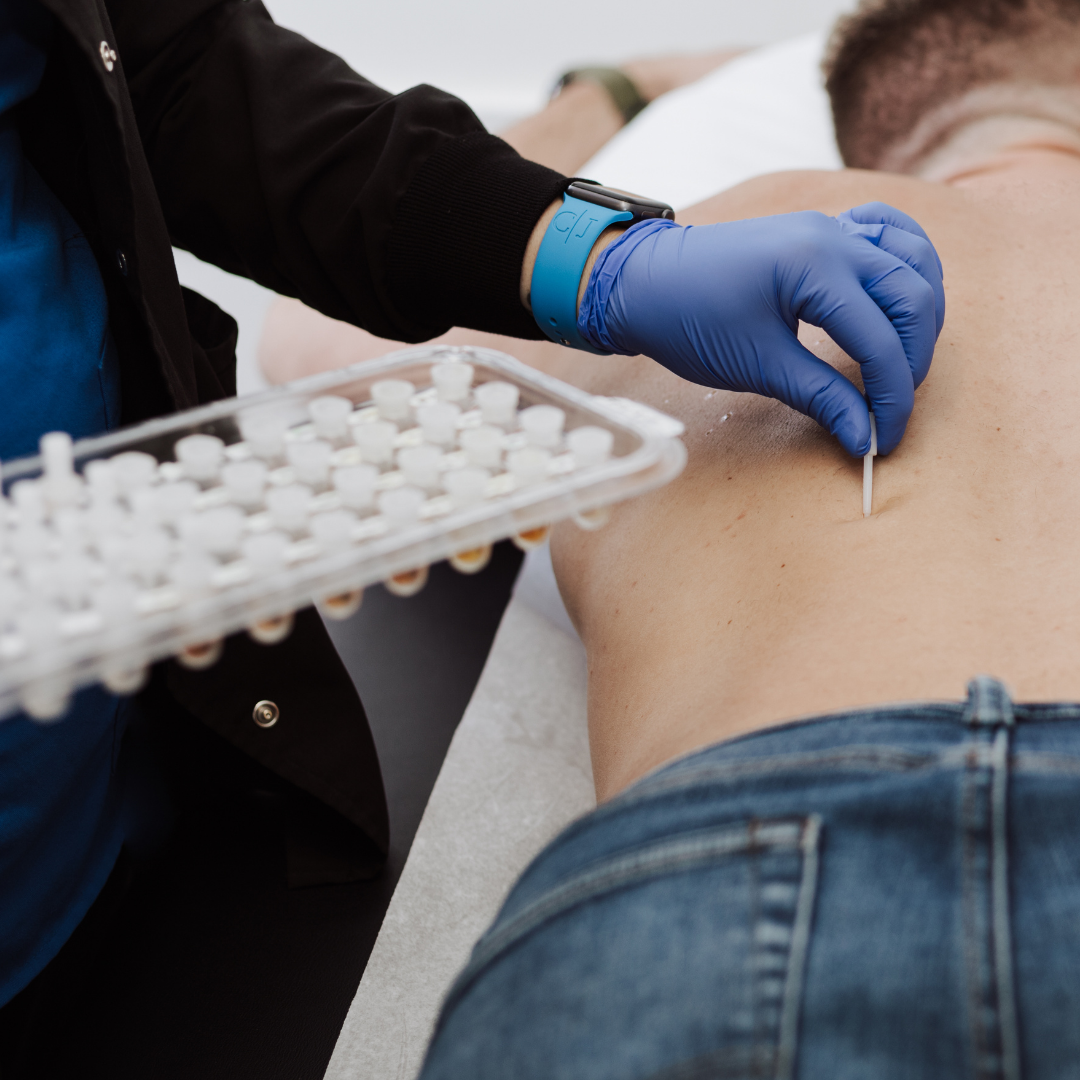
Allergy testing, also known as skin, prick or blood testing, is a method for determining to what substances a person is allergic to.
Skin allergy testing is the most common, reliable and relatively painless form of allergy testing. A very small amount of certain allergens is put into your skin by making a small indentation or “prick” on the surface of your skin. A skin allergy test determines specific allergens based on skin reactions. You don’t have to wait long to find out what is triggering your allergies. Reactions occur within about 15 minutes.
What we test for
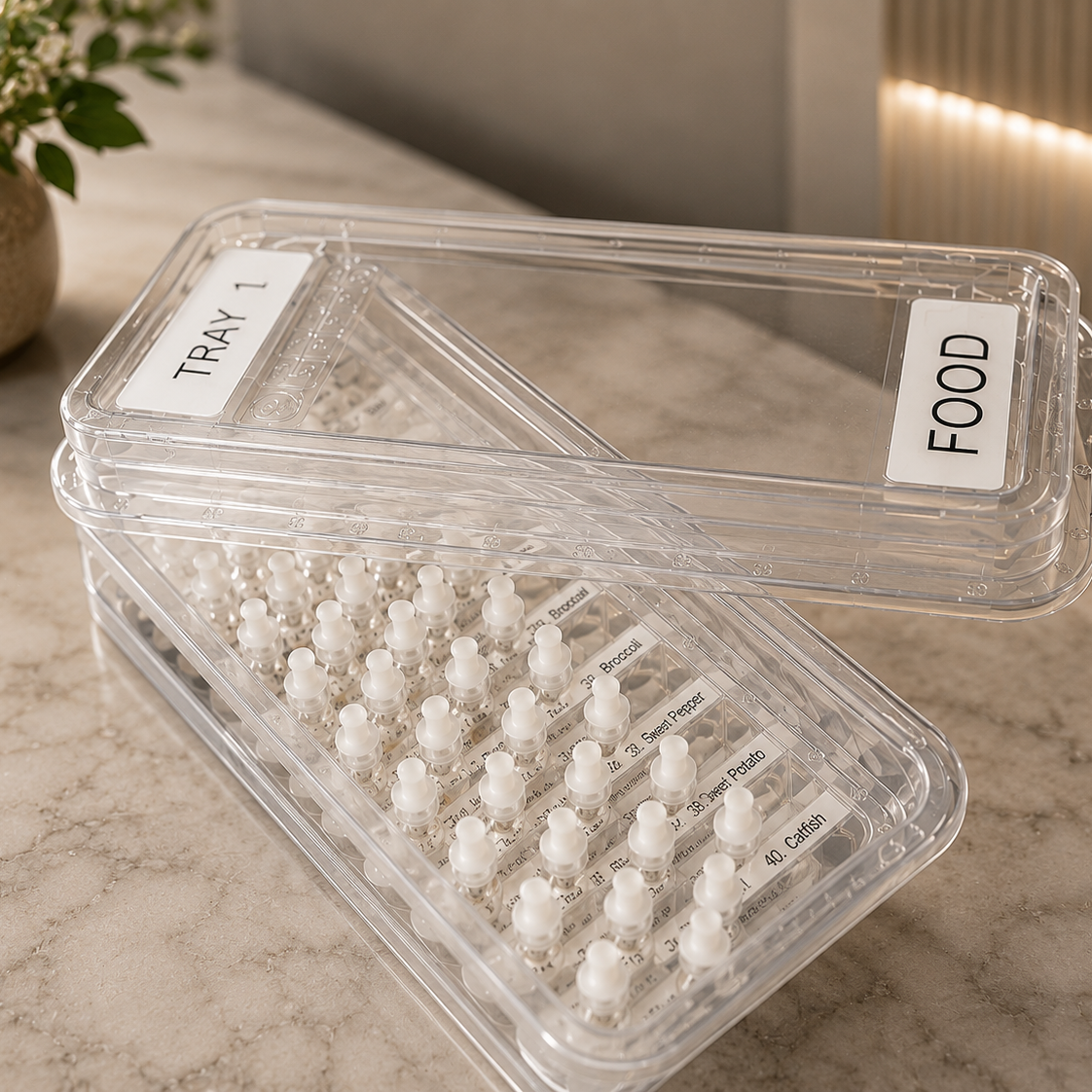
Food prick testing is used to help identify possible allergic reactions to specific foods. Testing is performed based on patient symptoms, medical history, and provider recommendation.
If concerns for food allergies remain after skin testing is completed, additional laboratory testing may be ordered for further evaluation
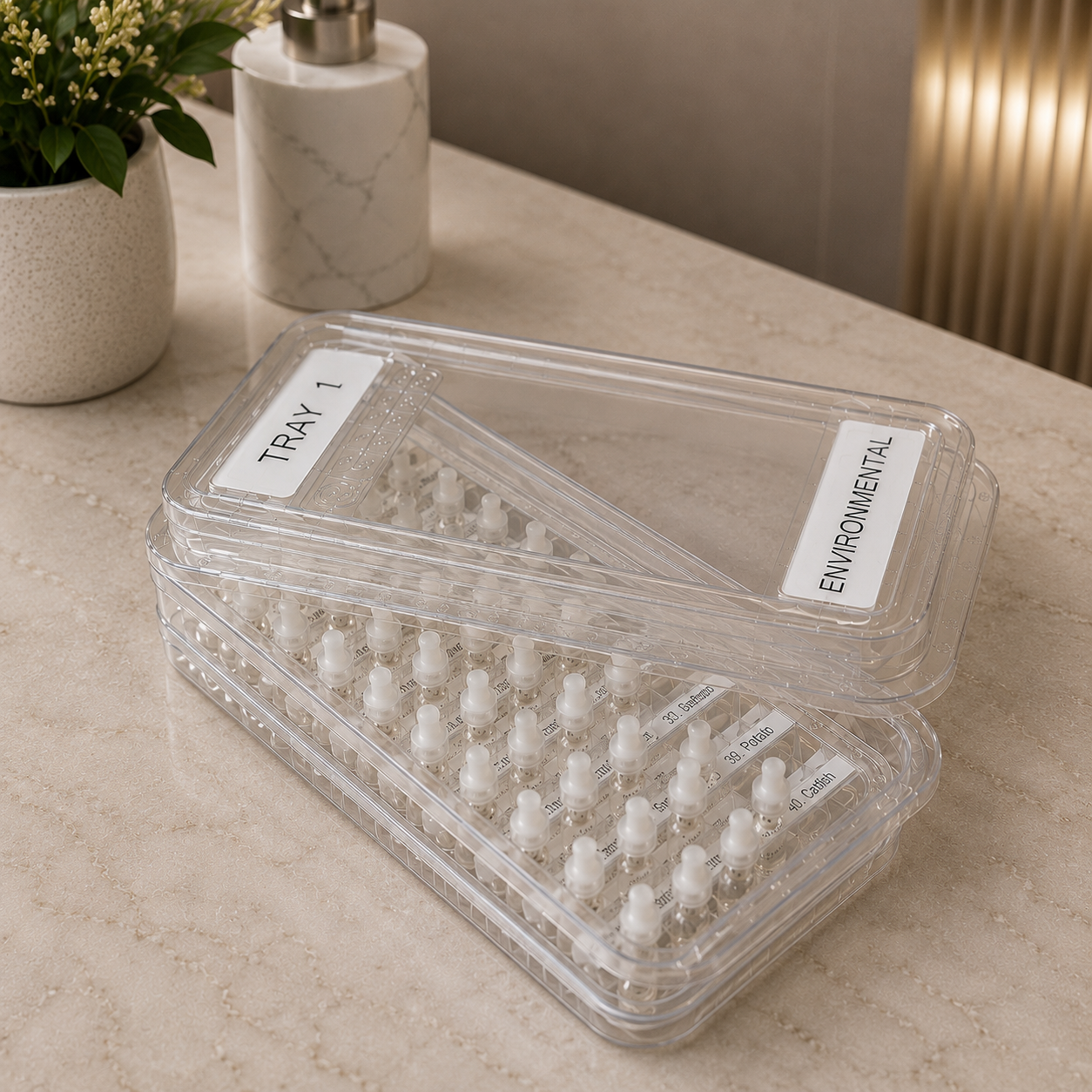
Environmental skin prick testing is used to evaluate possible allergies to common environmental allergens such as pollen, dust mites, mold, pet dander, grasses, trees, and weeds. Testing is recommended based on symptoms, medical history, and provider evaluation.
For patients over the age of 6, we also offer a more extensive form of testing called intradermal testing, which may help provide more detailed and accurate results when additional evaluation is needed.
Intradermal Testing

What is Intradermal Testing?
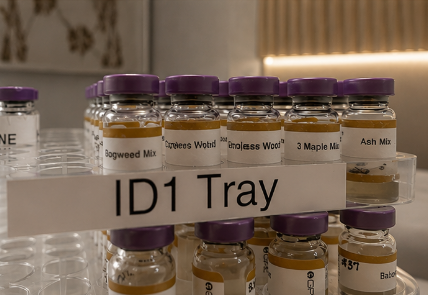
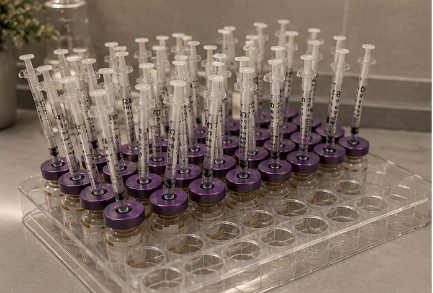
Intradermal testing is a more sensitive type of allergy testing in which a small amount of allergen is injected just beneath the surface of the skin. It is commonly used to further evaluate environmental allergies when additional information is needed after skin prick testing.
Although intradermal testing may test for some of the same allergens as prick testing, it is able to detect smaller or less obvious allergic responses that may not appear during a skin prick test. This can help provide more detailed and accurate results in certain patients.
Intradermal testing is typically performed after prick testing when symptoms strongly suggest allergies, but prick test results are negative, mild, or inconclusive. It may also help providers better determine the severity of allergic sensitivities for treatment planning, including allergy immunotherapy.
Scheduled for testing?
Here’s How to Prepare
Please ensure you have not taken any antihestamines or cold/ cough medications within the past 5 days. If you have any questions please ensure to call our office
If you are taking any blood pressure medications or antidepressants please check with us to see what medications you may have to stop
***PLEASE OBTAIN APPROVAL BEFORE STOPING ANY MEDICATION***
Preparing for Intradermal testing:
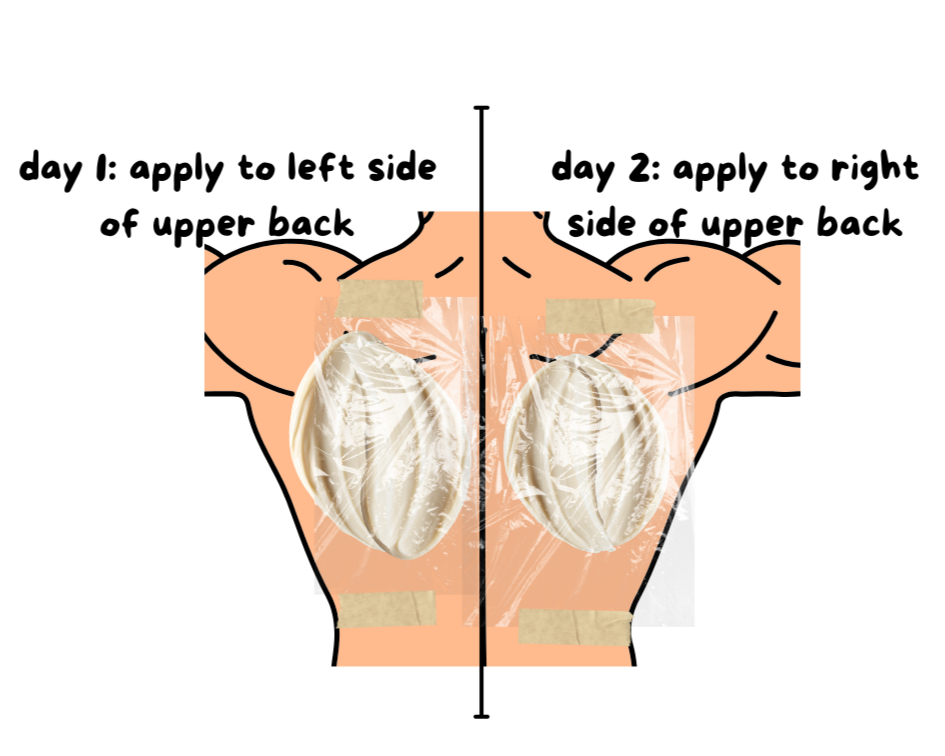
ONE AND A HALF HOUR BEFORE scheduled visit, apply LMX cream generously to the skin a rectangular area covering the upper back (see diagram ) (LIDOCAINE 4%)
Use ONLY HALF of the 15 mg tube for EACH TEST and apply thich coat, do not rub into skin, just spread it on patient back to cover area needed for testing
Do not wash off, the nurse will clean the the area during the office visit.
Cover the area with CLEAR PLASTIC (SARAN WRAP) and TAPE IN PLACE with paper tape immediately after applying cream to back
If done properly the patient will feel no pain during testing. The loss of sensation of pain is temporarily and lasts for an hour or so.